


 0402 685 118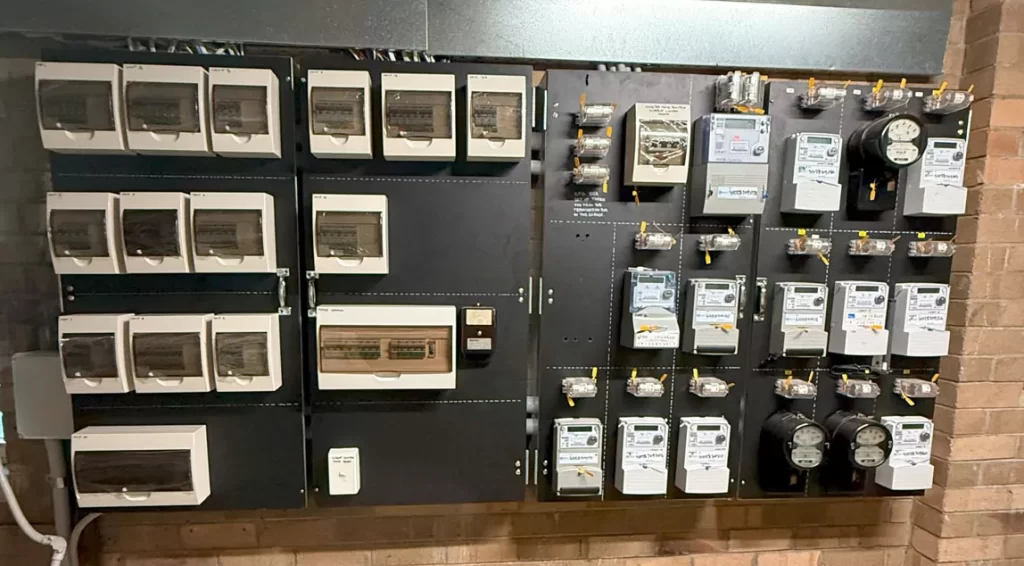
A switchboard is the heart of your home’s electrical system. Everything that runs on power moves through it. In many Sydney homes, switchboards were installed decades ago, long before today’s appliances and safety standards existed. As a result, more homeowners are choosing to upgrade their switchboards to avoid hazards, meet regulations, and support growing electrical loads.
If you’ve been wondering what a switchboard upgrade involves, how much it costs, or whether you genuinely need one, this guide will walk you through everything in plain, simple language.
Why Switchboard Upgrades Matter?
Older switchboards often use ceramic fuses and wiring that were never designed for the amount of power we use today. Modern life includes things like air conditioners, induction cooktops, large entertainment systems, and home offices full of electronics. All of these places put more strain on old electrical panels.
A worn or outdated switchboard can create risks such as overheating, constant tripping, or, in worst cases, electrical fires. Upgrading ensures that your home can safely handle the power you use every day.
Signs You May Need a Switchboard Upgrade
Many homeowners don’t realise their switchboard needs attention until something goes wrong. Here are a few clear signs your switchboard may need upgrading:
- Lights flicker when major appliances turn on
- Circuit breakers trip often
- You still have ceramic fuses
- There is a burning smell near the switchboard
- Buzzing sounds are coming from the panel
- You’re installing new high-powered appliances
- Your insurance policy requires a switchboard check
If any of these sound familiar, an electrician can inspect your system and let you know whether an upgrade is necessary.
How Much Does a Switchboard Upgrade Cost?
The cost can vary depending on the size of the home, the condition of the existing wiring, and any extra work required. However, most standard upgrades fall within a common range.
Typical Cost Range
A regular switchboard upgrade in Sydney usually starts at around the lower end for small units and can increase for houses with extra circuits, sub-boards, or older wiring that needs repairs.
Some factors that influence the total cost include:
- Whether your home still has ceramic fuses
- The number of circuits that need to be reorganised
- The age and condition of your wiring
- Whether a new mains connection is needed
- If asbestos is present behind the existing panel
- Whether additional safety switches need to be installed
Any presence of asbestos behind old boards will add to the cost because removal must follow strict rules and be carried out safely.
It’s always best to request a site inspection so the electrician can give an accurate figure based on your home.
Benefits of Upgrading Your Switchboard
A switchboard upgrade isn’t just a compliance step. It brings several practical benefits that help both safety and daily convenience.
Better Protection for Your Home
Modern switchboards include safety switches that cut power immediately when a fault is detected. This stops shocks, reduces the chance of fire, and protects your appliances.
Supports Modern Appliances
New homes and renovated homes often draw far more power than older switchboards can handle. An upgraded board helps avoid tripping, power surges, and overloads.
Easier to Maintain
A new switchboard is easier to work on and diagnose. It keeps everything organised, clearly labelled, and simple to manage if repairs or additions are needed later.
Meets Current Standards
Electrical regulations in NSW have changed many times over the years. With an upgrade, you ensure your home matches current rules and passes inspections easily.
Improves Property Value
Buyers feel more confident when a home has a modern, safe electrical system. An upgraded switchboard is often seen as a strong selling point.
What Happens During a Switchboard Upgrade?
If you’ve never had electrical work done before, it helps to understand what the process looks like. While every home is different, most upgrades follow a similar sequence.
Step 1: Inspection
The electrician checks your existing switchboard, wiring, and mains connection. They look for issues such as old insulation, damaged circuits, or asbestos in the backing panel.
Step 2: Power Shut Off
For safety, power is disconnected at the site. This usually isn’t long, but it’s needed so the electrician can remove the old board safely.
Step 3: Removal of Old Components
Old ceramic fuses or unsafe wiring are removed. If asbestos is present, it’s handled following proper regulations.
Step 4: Installation of New Switchboard
The new board is installed with safety switches, new circuit breakers, and clean wiring. Everything is labelled, organised, and tested.
Step 5: Testing and Certification
The electrician performs full testing to confirm that everything meets NSW regulations. Once complete, they provide certification to show the installation is compliant.
Installation Tips for Homeowners
If you’re planning to upgrade your switchboard soon, here are a few practical tips to make the process smoother.
Plan Ahead if You’re Renovating
If you’re updating your kitchen, adding air conditioning, or setting up a new home office, make sure your switchboard can manage the extra load.
Choose a Licensed Level 2 Electrician
Upgrades often involve work on mains connections, which only a Level 2 electrician is allowed to handle. Choosing the right professional ensures safety and reduces the chance of delays.
Ask About Spare Capacity
It’s smart to include a little extra room in your new switchboard. This lets you add circuits in the future without needing another upgrade.
Keep the Area Clear
Before installation day, clear the space around your switchboard so the electrician can work safely and quickly.
Final Thoughts
Upgrading your switchboard is one of those jobs that quietly protects everything in your home. It keeps your wiring safe, reduces the risk of electrical faults, and makes sure your system can cope with the appliances and technology most homes rely on today. The cost will depend on the condition of your current setup and the type of upgrade needed, but the long-term safety and reliability are well worth it.
If your switchboard is old, overcrowded, or showing signs of wear, it’s a good idea to get it checked before problems start. Homeowners planning renovations or installing heavy-load appliances should also consider a full assessment. A licensed electrician can explain what needs to be upgraded, how the process works, and what will suit your property.
Eris Electrical provides switchboard inspections, repairs, and full upgrades across Sydney. Their team handles everything from safety checks to complete replacements, making sure your home meets current standards and runs safely. If you’re unsure where your system stands, reach out to Eris Electrical and book an on-site inspection. It’s a simple step that can prevent bigger issues later and keep your home safe.

 0402 685 118