
7 Signs of a Qualified Level 2 Electrical Contractor

When you need electrical work involving the network supply, private power poles, defect notices, or an electrical switchboard upgrade, choosing the right contractor matters. In Sydney, only properly accredited professionals can legally perform Level 2 electrical work. Here are seven clear signs that you are dealing with qualified Level 2 electrical contractors in Sydney and …

Why You Need a Level 2 Electrician for Your Meter Installation

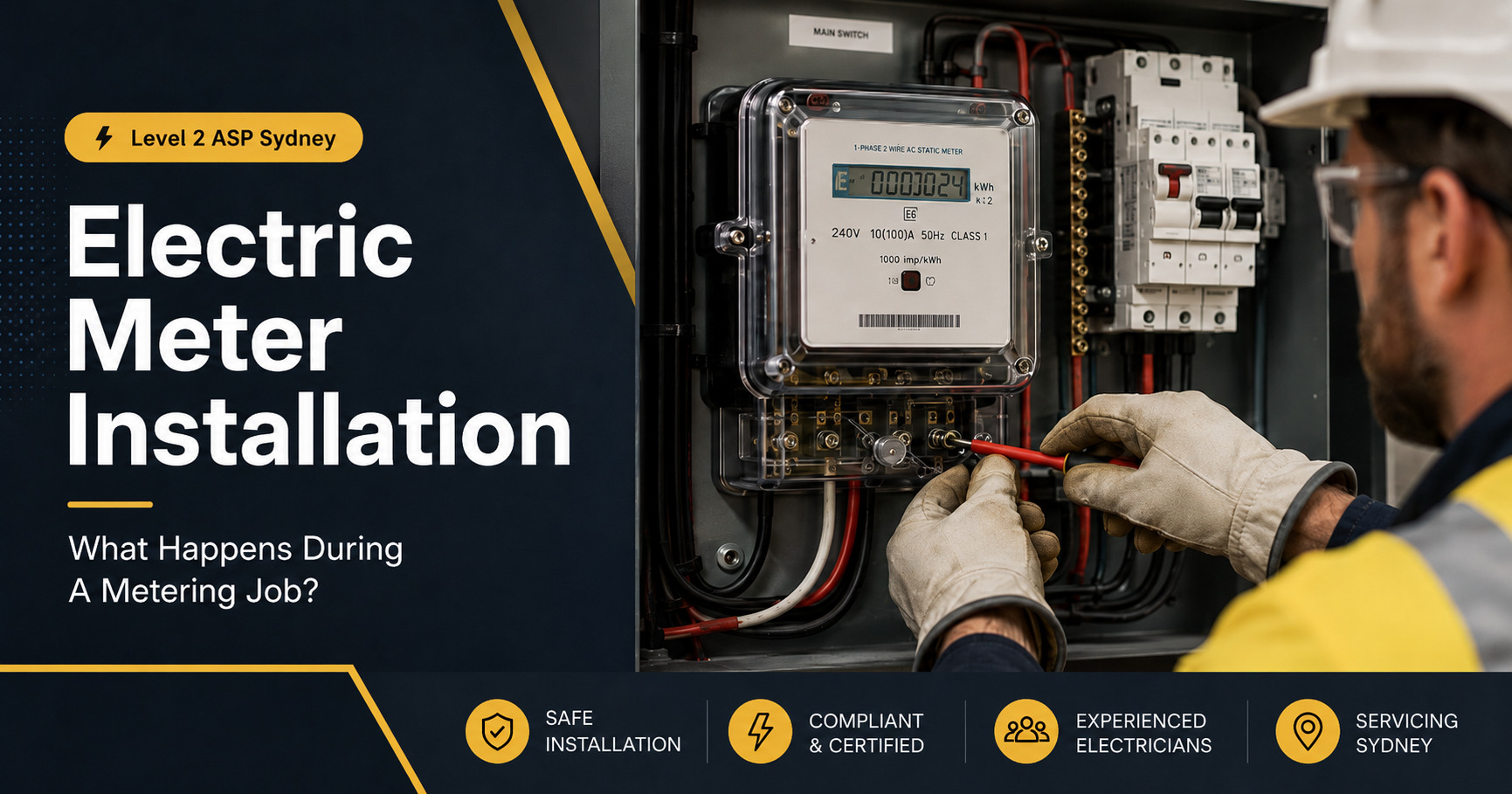
Electricity is something most of us don’t think about until there’s a problem. But when it comes to meter installation, it’s not a job you can leave to just any electrician. There are strict rules in place, and for good reason. If your meter needs to be installed, replaced, or upgraded, you’ll need a qualified …

What Is a Level 2 Electrician and When Do You Need Their Help?

Eris Electrical is a Level 2 ASP (Accredited Service Provider), and our certified professionals work in specialised teams, providing Level 2 electrical services across the Sydney Metro region. We are authorised to undertake all aspects of Level 2 electrical service work, including the disconnection and reconnection of existing installations, as well as the installation, maintenance, …

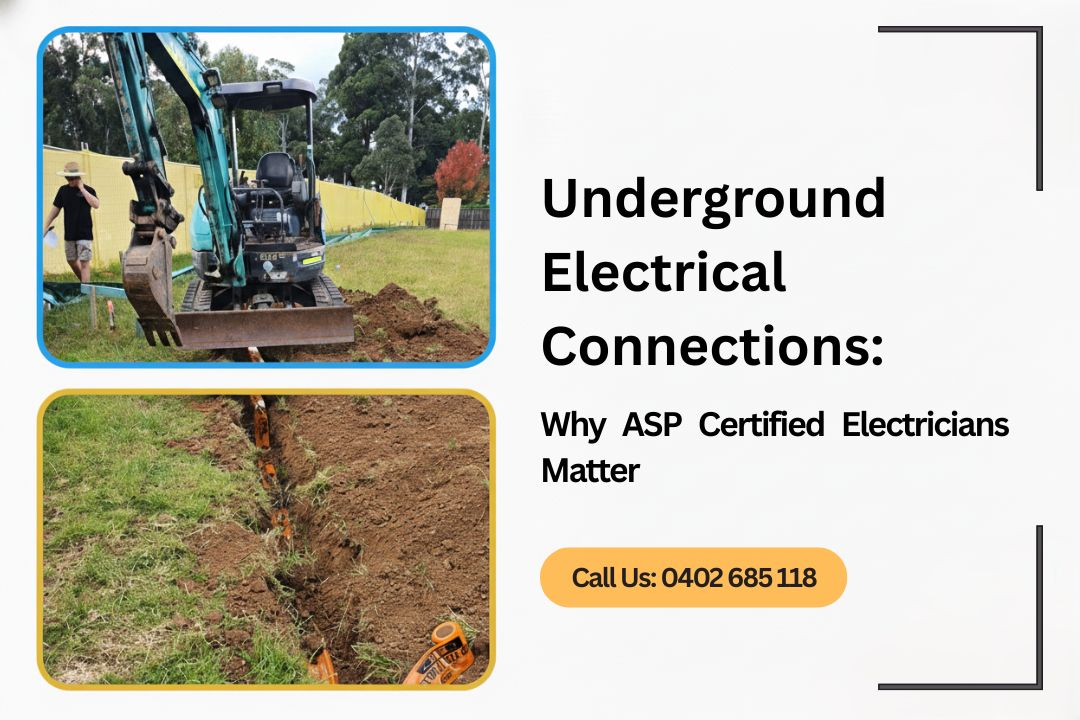
Underground Electrical Connections: Why ASP Certified Electricians Matter

Underground electrical connections have become a preferred choice across Sydney for both residential and commercial properties. They offer a cleaner look, reduce exposure to weather damage, and improve overall safety. But while they may seem straightforward from the outside, the work behind underground systems is highly technical and tightly regulated. This is where an ASP-certified …

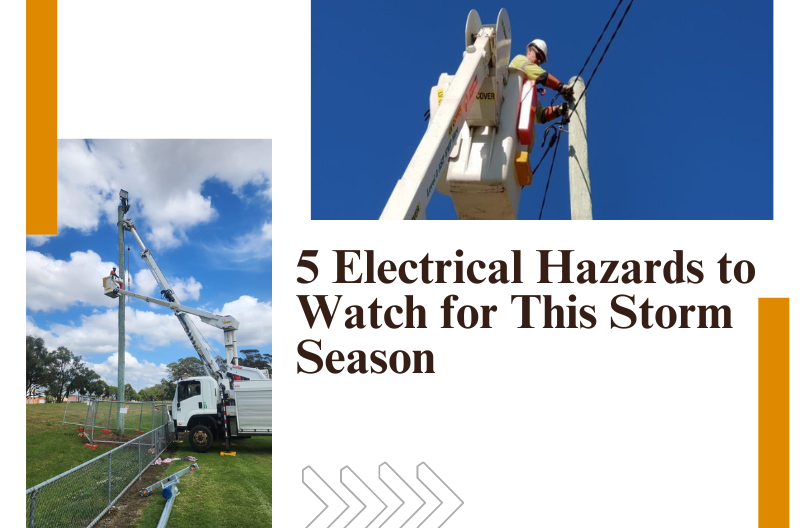
5 Electrical Hazards to Watch for This Storm Season

Storm season in Sydney brings heavy rain, strong winds, fallen trees, and power disruptions. While most people prepare for flooding or roof damage, electrical hazards are often overlooked. Unfortunately, they’re also some of the most dangerous. Storm-related electrical issues can damage appliances, cause power outages, or create serious safety risks for households. Knowing what to …

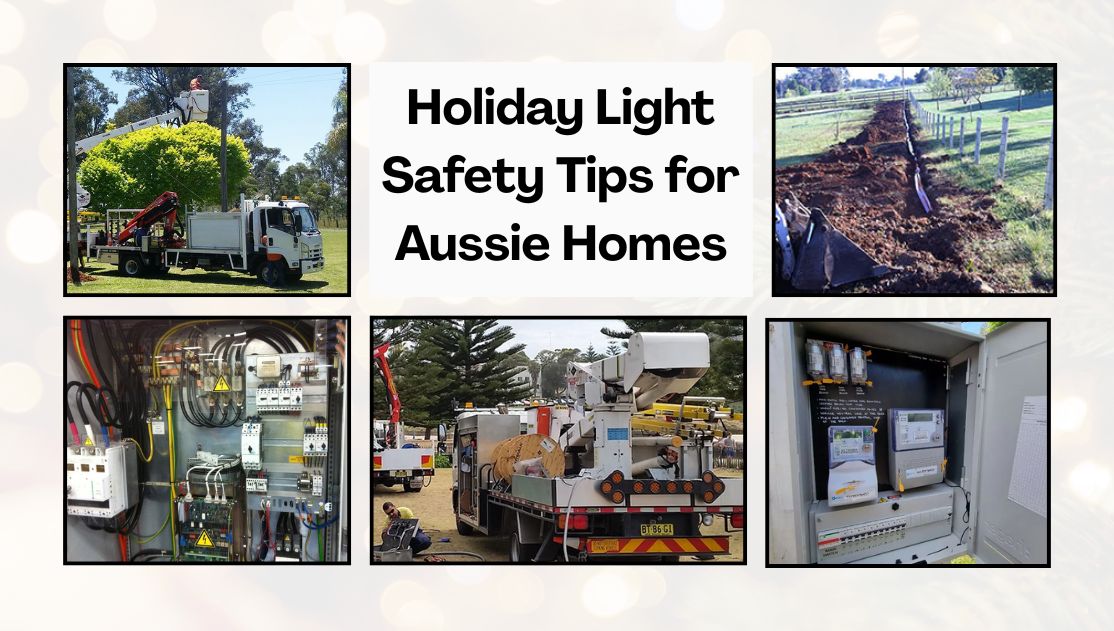
Holiday Light Safety Tips for Australian Homes

The holiday season is a time of joy, warmth, and festive cheer. One of the most iconic ways to spread the holiday spirit is by decorating your home with vibrant lights. However, while colourful holiday lights look great, improper installation can cause electrical hazards, overloaded circuits, or even fire risks. Following some key light safety …

Switchboard Upgrades: Costs, Benefits, and Practical Installation Tips

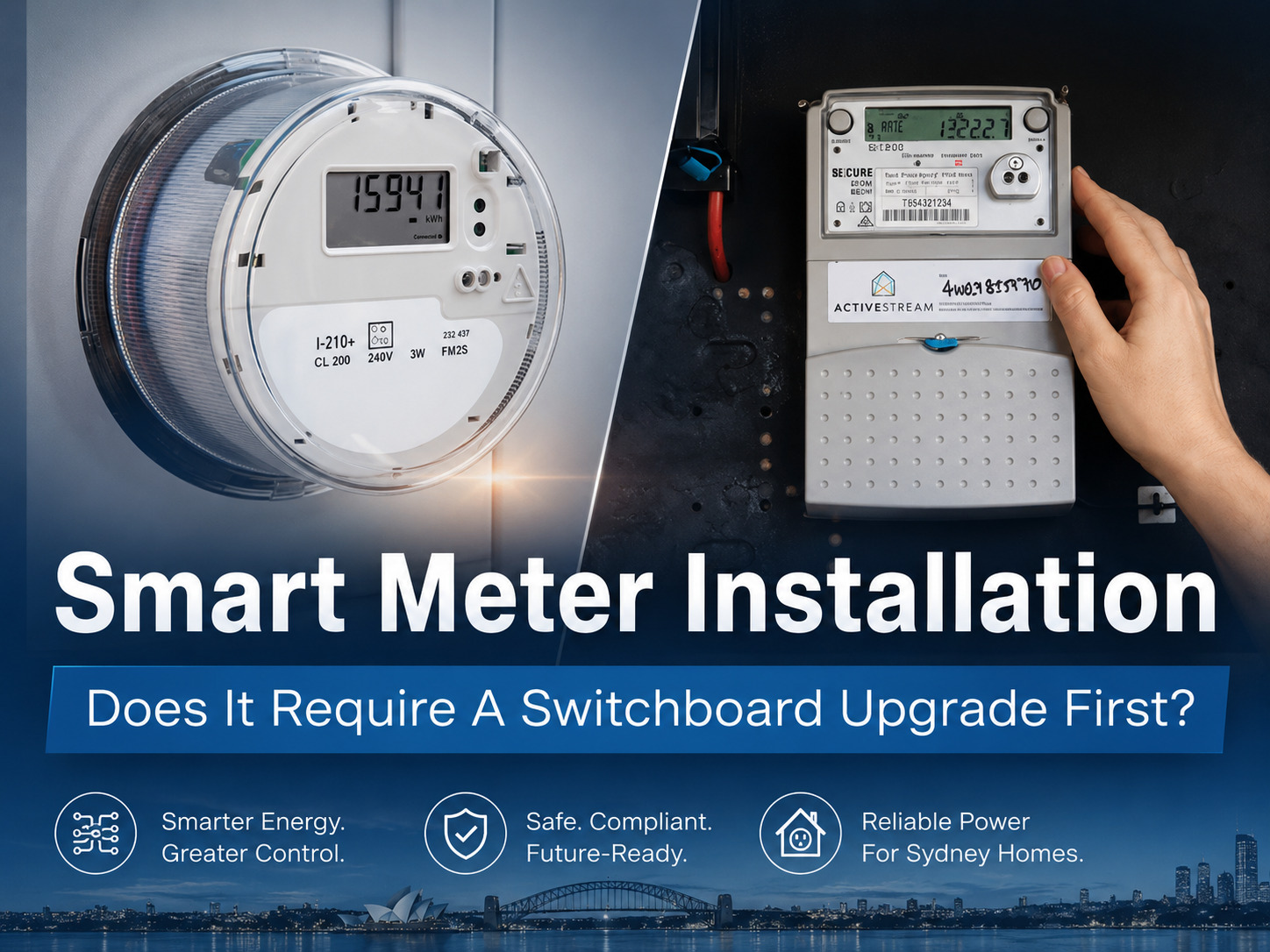
A switchboard is the heart of your home’s electrical system. Everything that runs on power moves through it. In many Sydney homes, switchboards were installed decades ago, long before today’s appliances and safety standards existed. As a result, more homeowners are choosing to upgrade their switchboards to avoid hazards, meet regulations, and support growing electrical …

Electrical Safety in Sydney’s Older Homes

Sydney’s older homes carry a certain charm, high ceilings, decorative details, and that sense of history that newer builds often lack. But behind their walls, the wiring often tells a different story. Many of these homes were built before today’s electrical standards existed, which means they may not be equipped to handle modern power demands. …

7 Common Electrical Code Violations in Sydney Homes and How to Fix Them

Electrical systems in Sydney homes must follow strict codes and standards to ensure safety and reliability. However, older properties and even some newer renovations often contain wiring or installation issues that don’t meet current requirements. While some violations may seem minor, they can create fire hazards, cause electrocution risks, or lead to costly damage if …

Private Power Pole Regulations in NSW: What Homeowners Need to Know

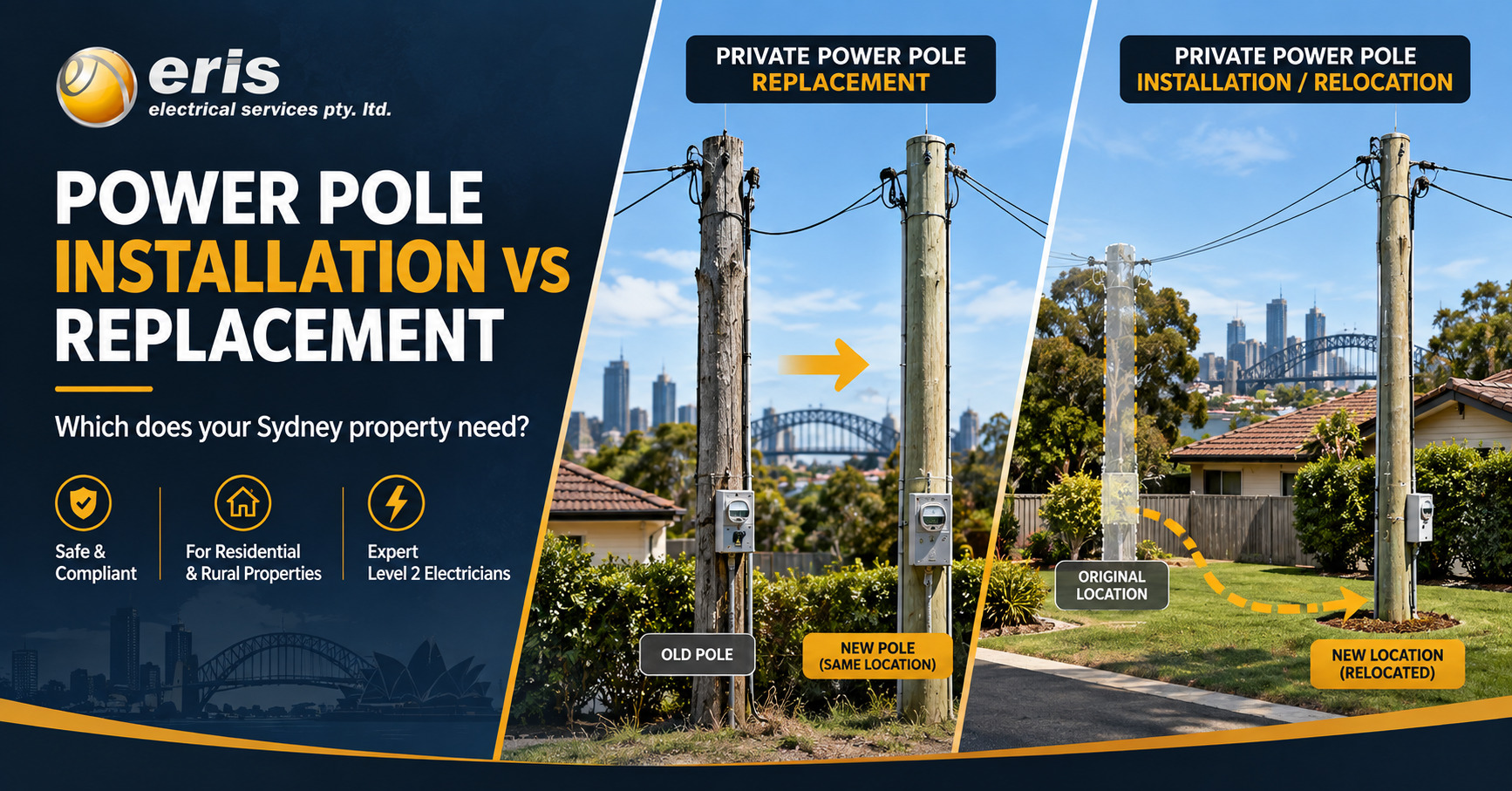
If you own a property in New South Wales and it has a private power pole, you are legally responsible for keeping it safe and compliant. Many homeowners don’t realise that the power pole on their land doesn’t belong to the network provider; once it crosses the boundary line, it belongs to them. That means …